Types of Damp Explained
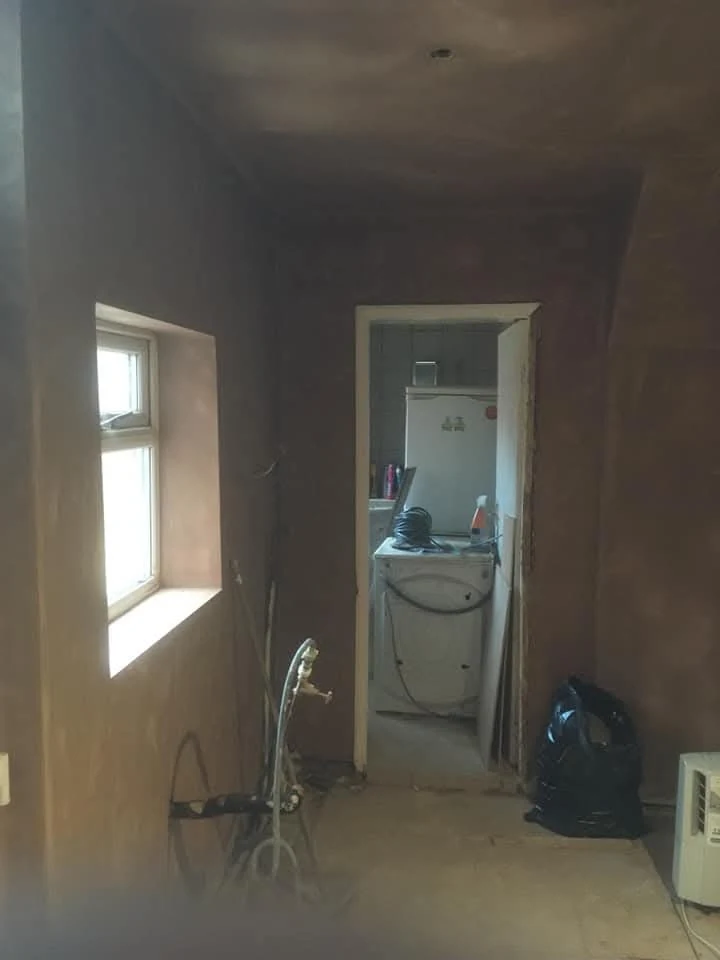
That dark patch on the wall. The musty smell behind the wardrobe. You know something is wrong but you cannot name it.
Damp from condensation looks almost identical to damp from a leaking wall. The cause matters because the fix is completely different. Newcastle Barrier Damp Proofing covers Tyne & Wear, Northumberland, and County Durham.
Book a free assessment. We will tell you plainly what you are dealing with. If there is nothing to treat, we issue a written all-clear and you pay nothing.
Condensation: the most common type of damp
Condensation is the most common cause of damp in UK homes. It forms when warm, moist air meets a cold surface. The vapour turns to droplets, and over time those droplets feed black mould.
Where you will see it first
You will see it first at window corners, on north-facing walls, and in poorly ventilated rooms. Black spotting around window frames is almost always condensation. Mould on bedroom ceilings or behind furniture points to the same cause.
What causes it
Condensation does not mean a structural problem. It means moist air has nowhere to go. The fix is usually better ventilation, improved heating, or both.
Why it matters
GOV.UK and NHS guidance links mould exposure to respiratory illness, particularly in children. The Housing Health and Safety Rating System classes serious damp and mould as a Category 1 hazard.
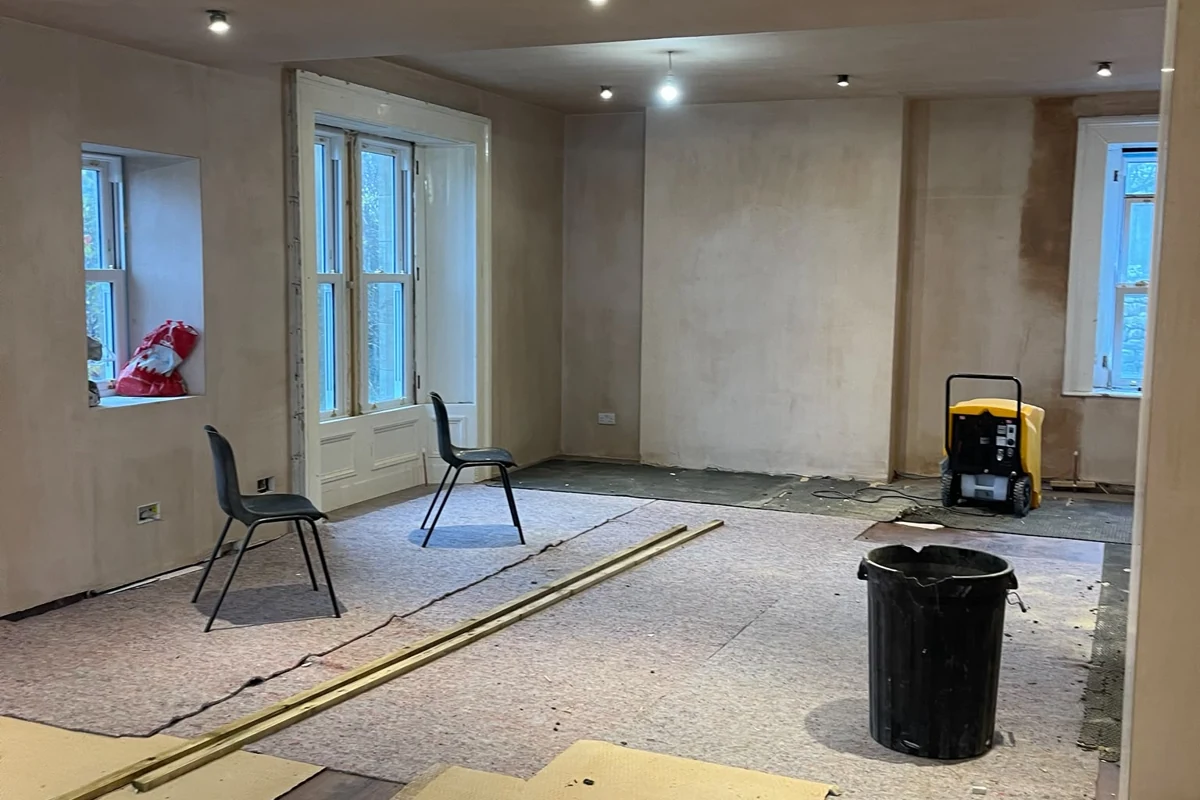
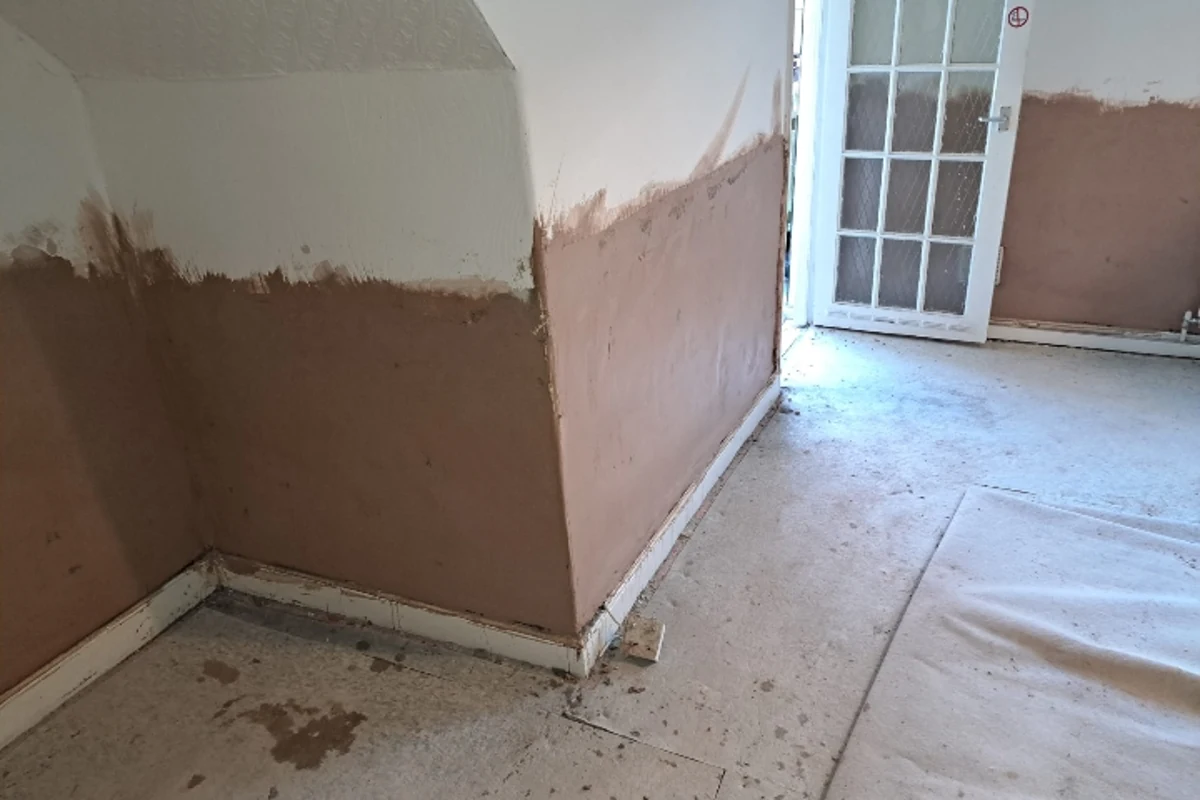
It is worth addressing. It is rarely expensive.
Rising damp: rarer than you think
Rising damp occurs when ground moisture travels upward through a wall. This can happen when a property has no damp proof course, or when the existing one has failed.
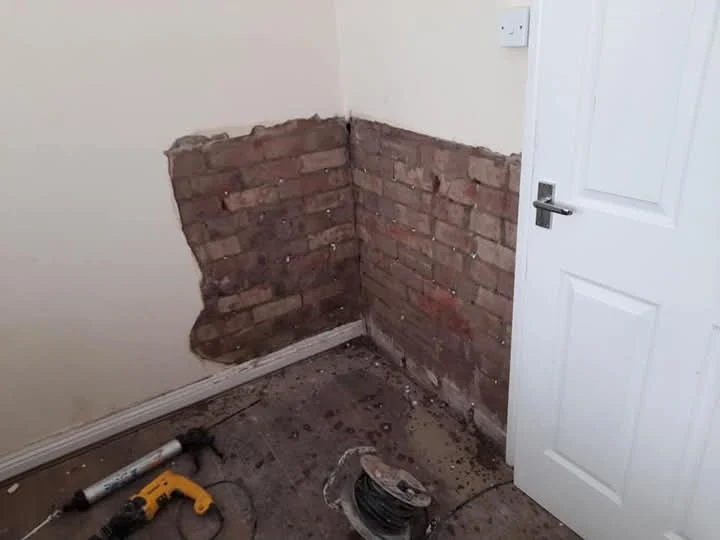
The honest picture
The damp trade talks about rising damp constantly. Much of what gets diagnosed as rising damp is condensation, penetrating damp, or bridging. We say this openly. The firm that diagnoses the problem profits from the cure. Our survey produces a written report whatever we find.
If the evidence points elsewhere
If the evidence points to condensation or bridging, that is what the report says. We never recommend treatment that does not match the diagnosis.
Understanding the diagnostic process
Our rising damp treatment page explains how we confirm a genuine rising damp case and what treatment involves.
Get your free damp survey
A clear written report and honest advice, with no sales pressure.
Penetrating damp: it comes from outside
Penetrating damp enters through the external wall. A leaking gutter, failed pointing, cracked render, or a raised path outside can all drive water in. The patch usually appears or grows after rain.
How it travels
Penetrating damp travels horizontally, from outside inward. It can appear on upper floors or chimney breasts. Rising damp cannot reach those positions.
Why the wrong treatment fails
Treating penetrating damp with a chemical DPC achieves nothing. The correct fix addresses the entry point first.
Where to find out more
See our full penetrating damp guide for the signs, causes, and repairs. Our repointing and damp proofing services cover the most common repairs once the cause is confirmed.
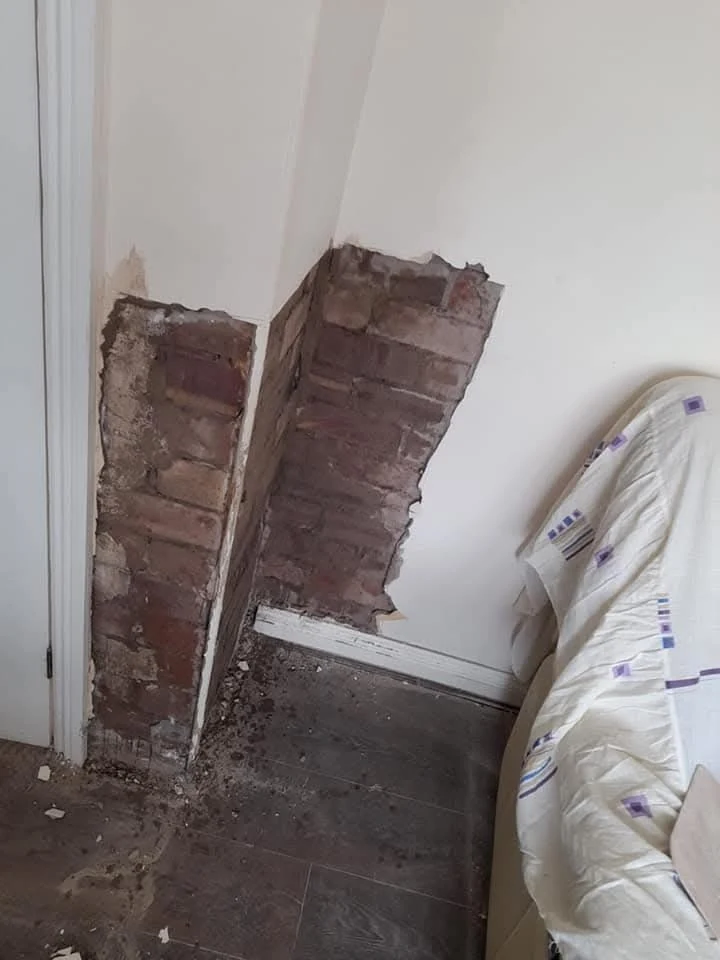
Bridging and construction faults
A bridging fault creates an unintended route for moisture. A path laid above the damp proof course line. Render applied too high on the outside wall. A partition built against an external wall without a break.
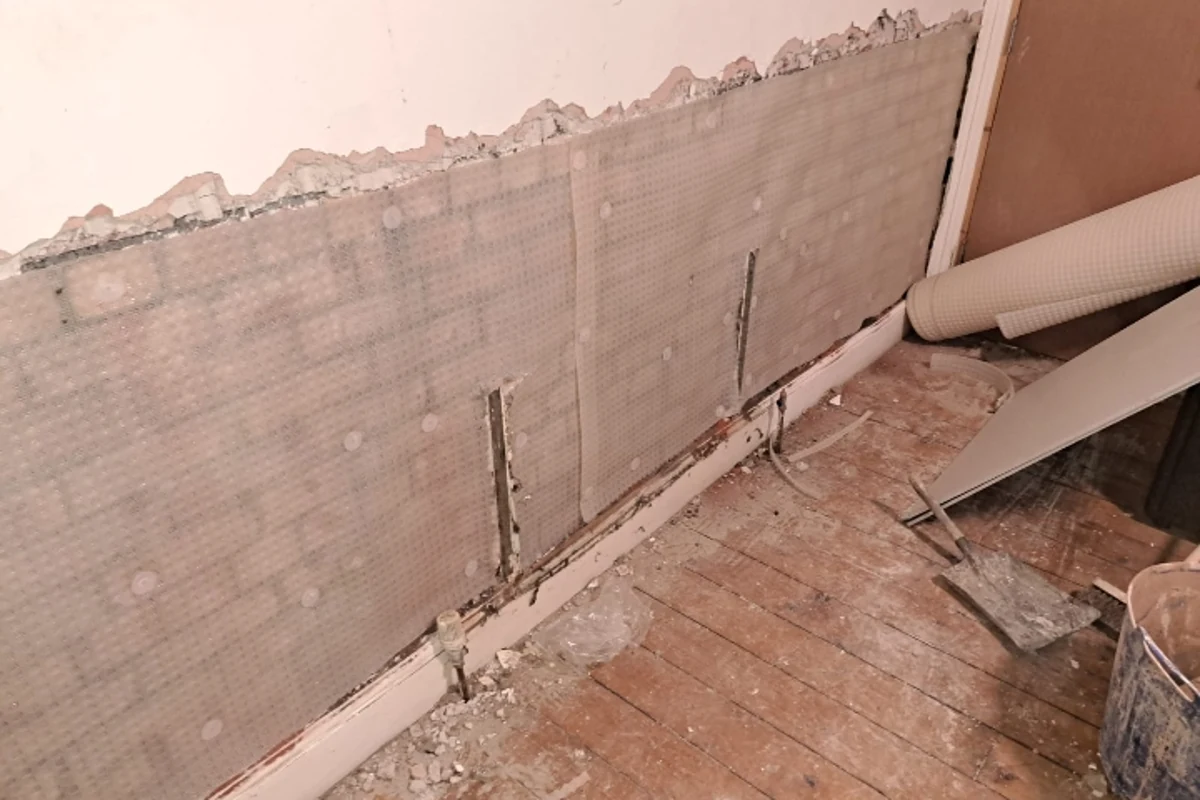
The most common source of misdiagnosis
This category produces more misdiagnosed rising damp cases than any other cause. The fix is often straightforward: remove the bridge. Injecting a chemical DPC without removing the bridge is money wasted.
What our survey checks
Our damp survey process checks for bridging as a matter of course. We inspect paths, render lines, and partition positions before any diagnosis is issued.
Check before you call anyone
You can narrow things down before picking up the phone.
The cling-film test
Cut a 30 cm square of cling film. Tape it tightly over the damp patch, sealing all four edges. Leave it for 24 hours.
Moisture on the room side of the film points to condensation. Moisture on the wall side means it is coming through the structure.
External checks
Walk around the outside and look for blocked or overflowing gutters below the damp area. Check whether paving or soil sits above the damp proof course line.
Look for crumbling or missing pointing between bricks. Check rendered sections for hairline cracks that could let water in.
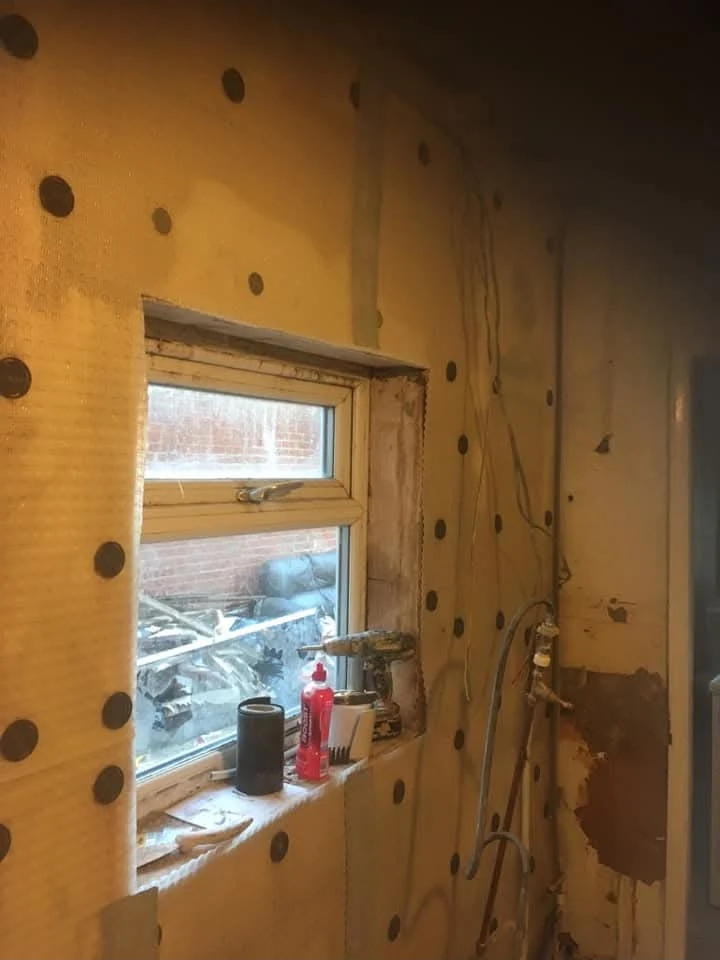
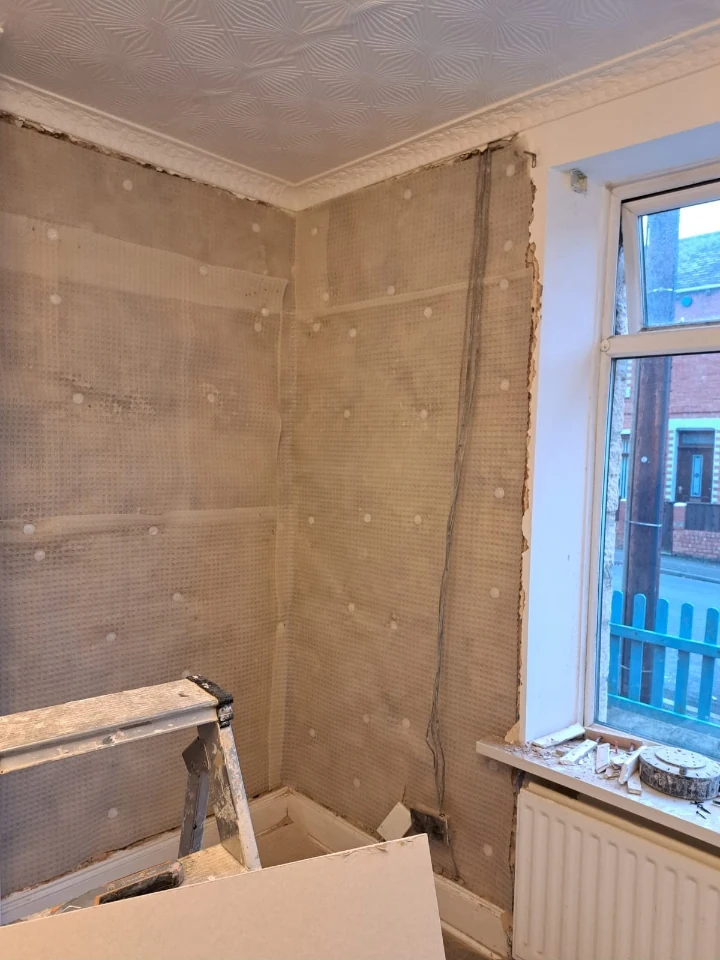
None of these confirms a diagnosis on its own. But they tell our surveyor where to look first.
Not sure what is causing your damp?
Book your free damp survey. We aim to call you back the same day.
The services we cover
Newcastle Barrier Damp Proofing sends an experienced damp surveyor, not a salesperson. Whatever we find, you receive a written report. If there is nothing to treat, we issue a written all-clear and you pay nothing. If treatment is needed, you get a fixed-price quotation before anything starts.
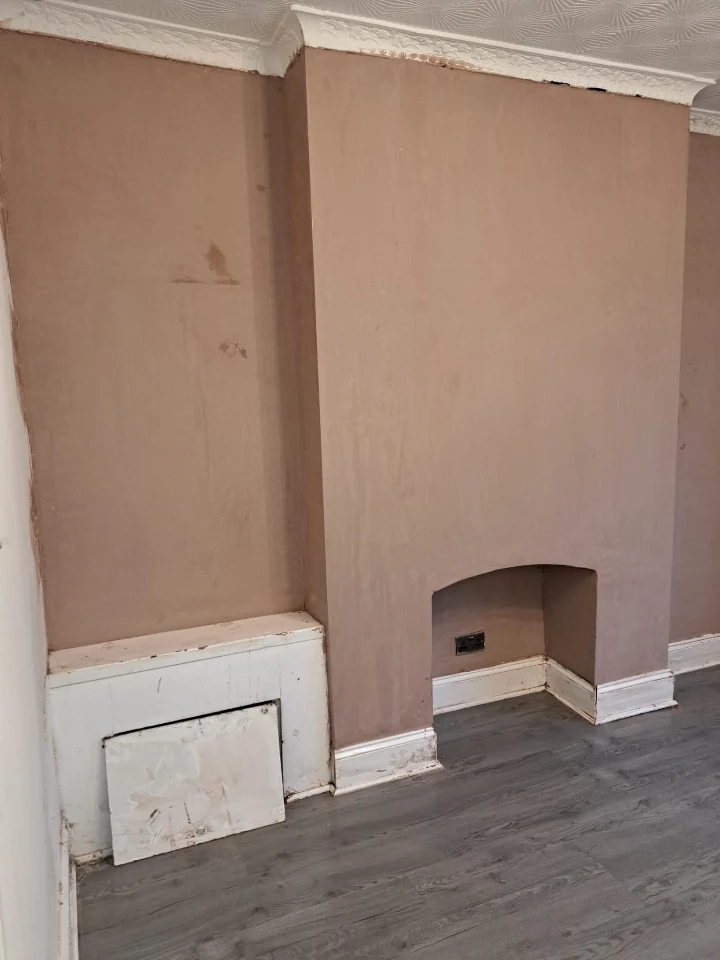
Walls and DPC work
We carry out damp proofing for membrane and DPC work, rising damp treatment where groundwater is genuinely rising, and a damp survey is the right diagnostic starting point for most enquiries.
Basements and timber
For wet cellars we carry out basement tanking, choosing the right system from the survey. Where timber is affected, we treat woodworm and carry out dry and wet rot repair.
Structure and ventilation
We carry out wall tie replacement where corroded ties have cracked the joints. Where condensation is the root cause, condensation control covers positive input ventilation.
Book your free assessment. No obligation.
Types of Damp FAQs
Get My Free Quote
Fill in the form below for a free quote: