Rising Damp Treatment in Newcastle
Newcastle Barrier Damp Proofing surveys and treats rising damp across Newcastle, Tyne & Wear, Northumberland and County Durham. When the cause turns out to be condensation or a simple external fix, we say so in our written report. You owe nothing.
Rising damp is real, but it is often overdiagnosed. We check the evidence carefully before recommending anything. Whatever we find, you receive a written report with photos.
Book a free survey and we aim to call you back the same day.
Real Photos From Our Recent Newcastle Rising Damp Jobs
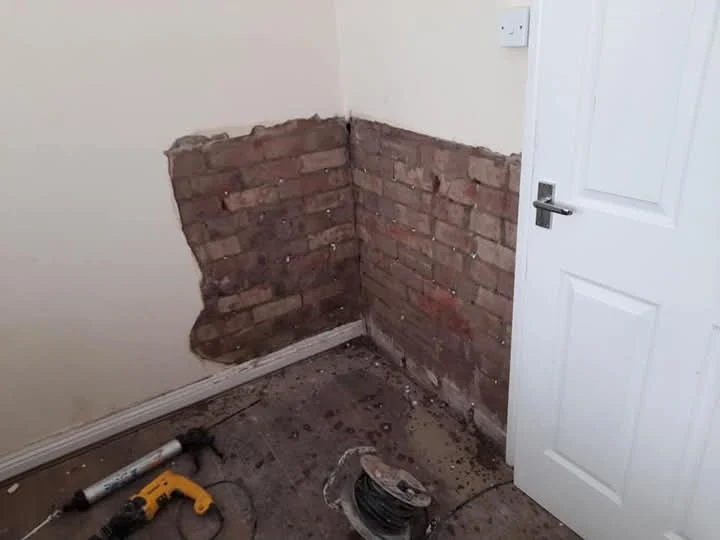
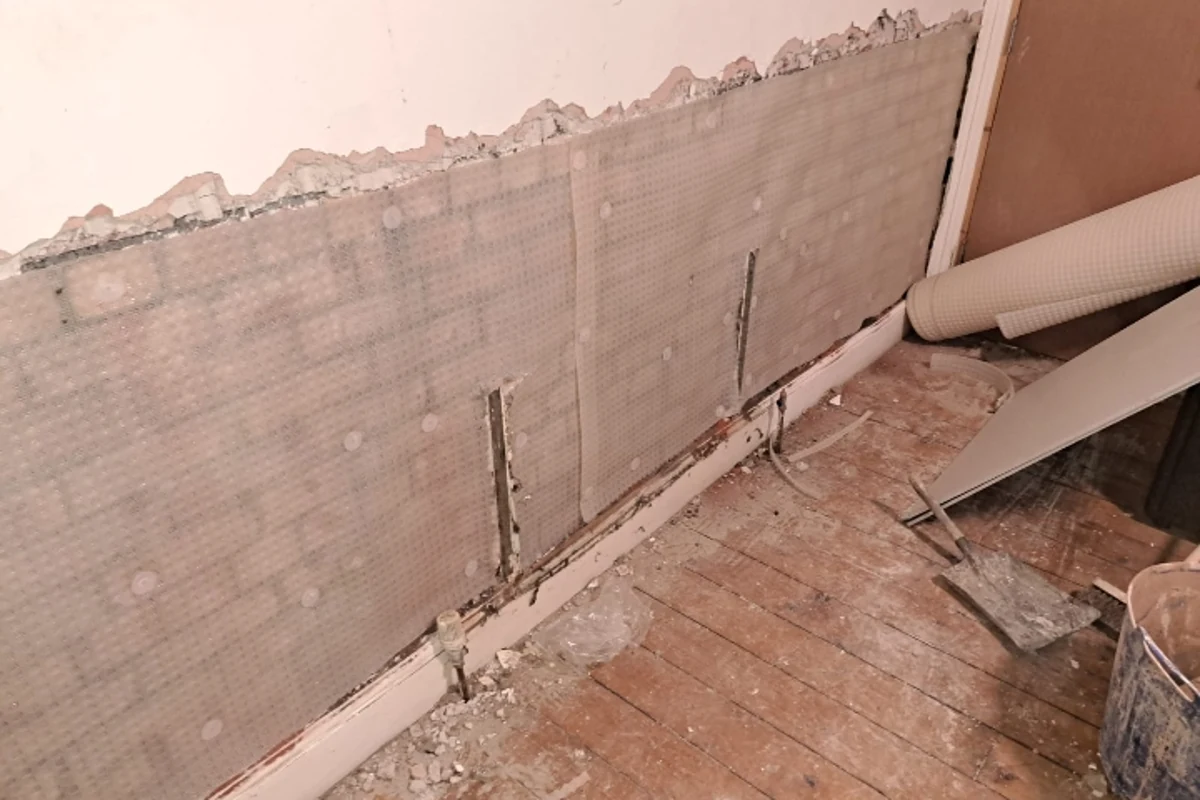
DPC injection underway on a Newcastle terrace wall.
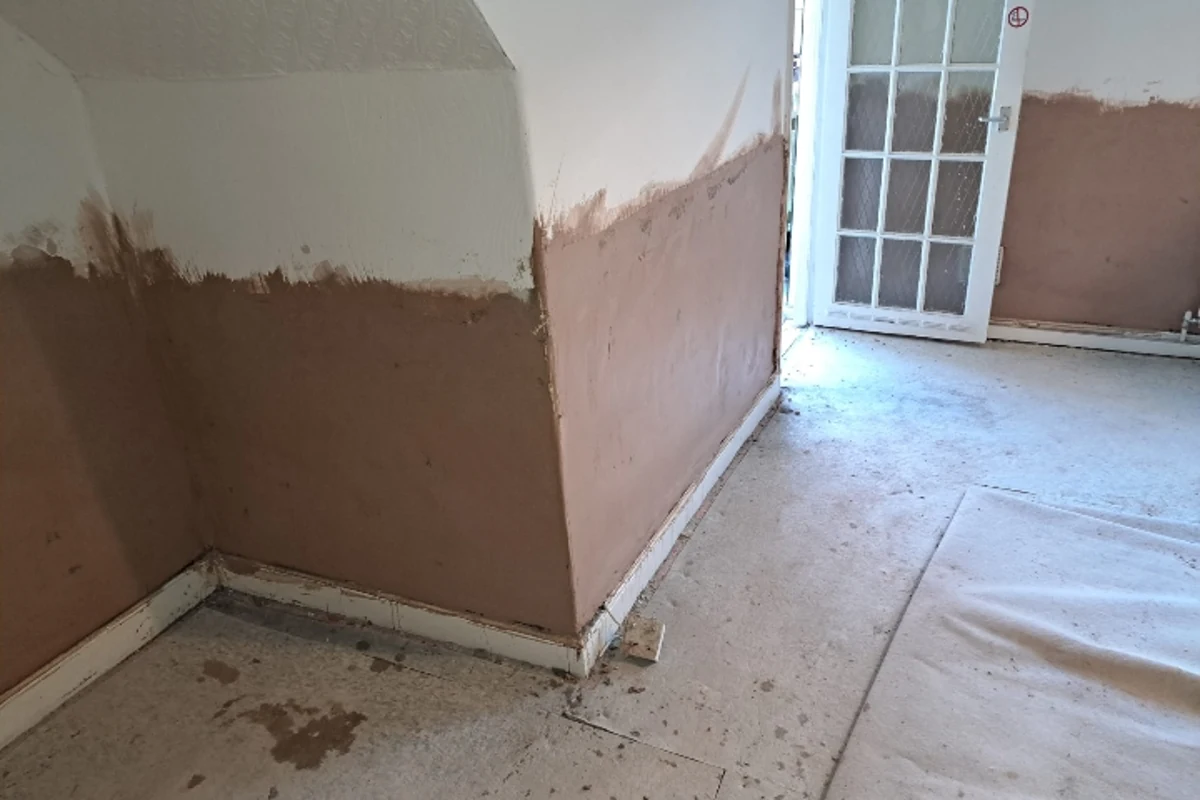
Fresh replaster band at low level after rising damp treatment in Newcastle.
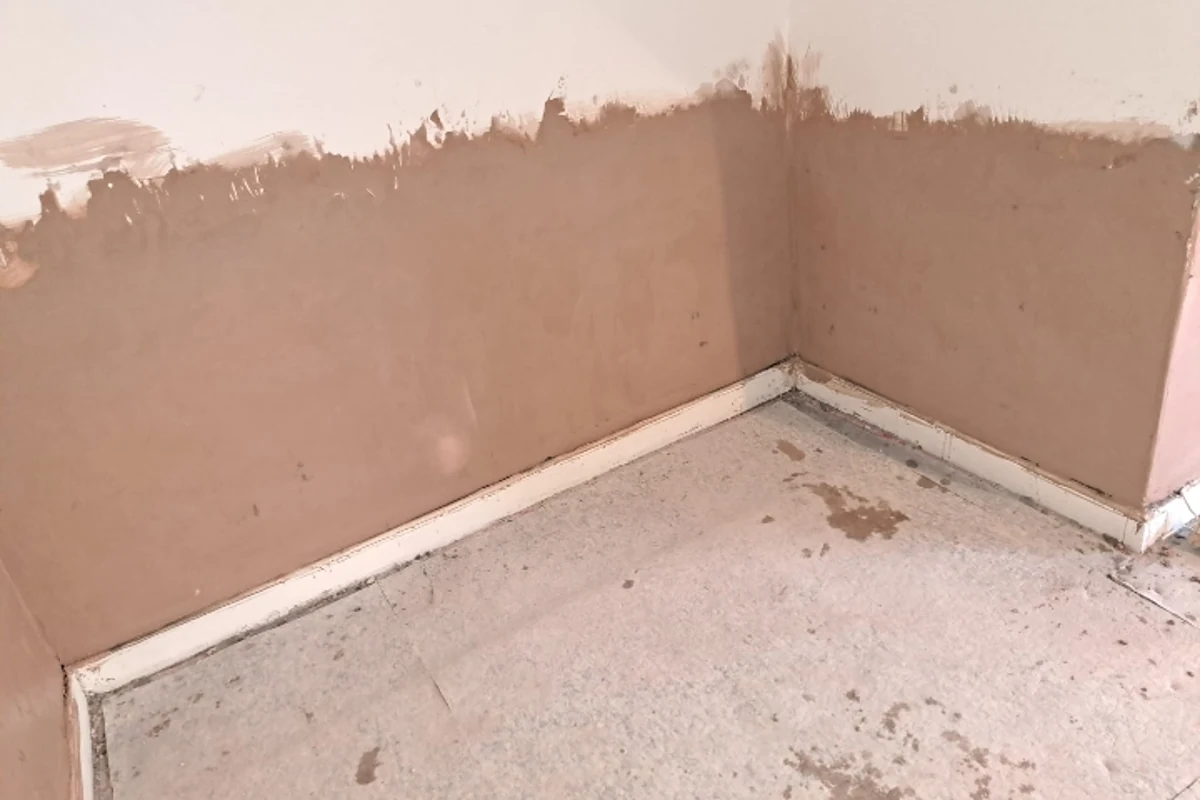
Rising damp tide mark at the corner before treatment began.
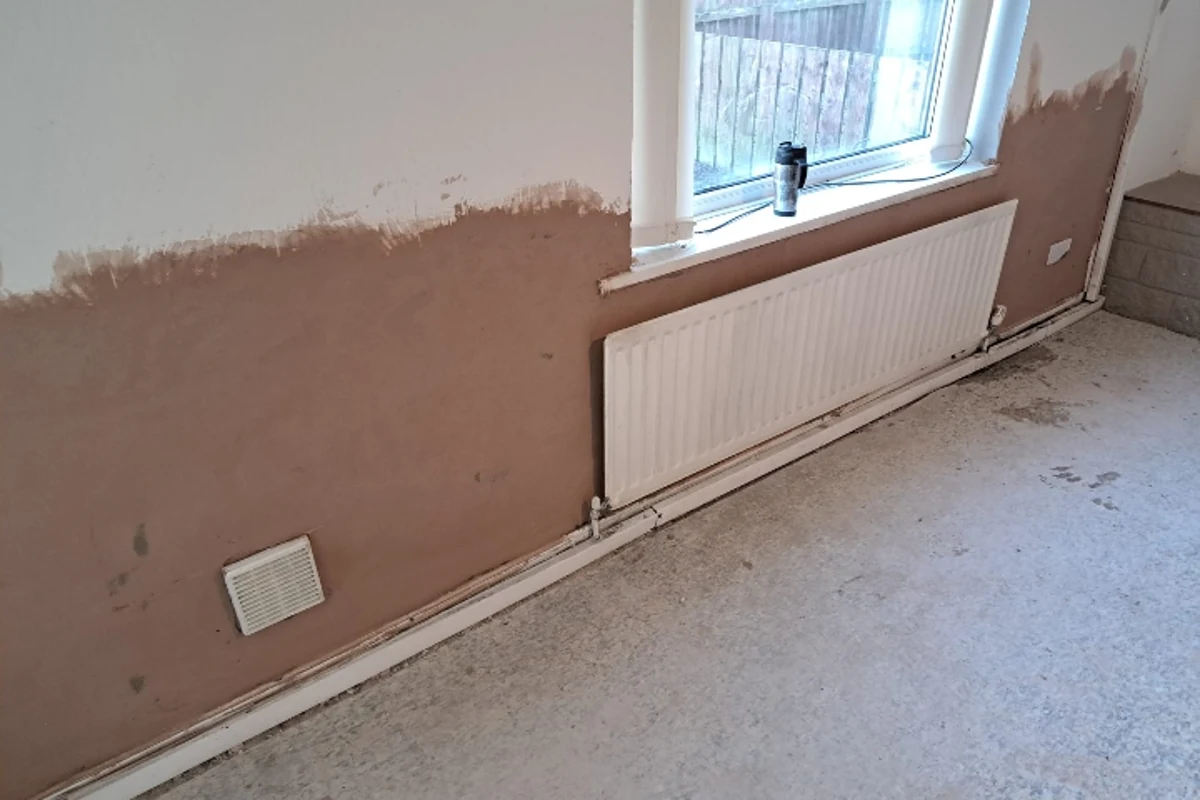
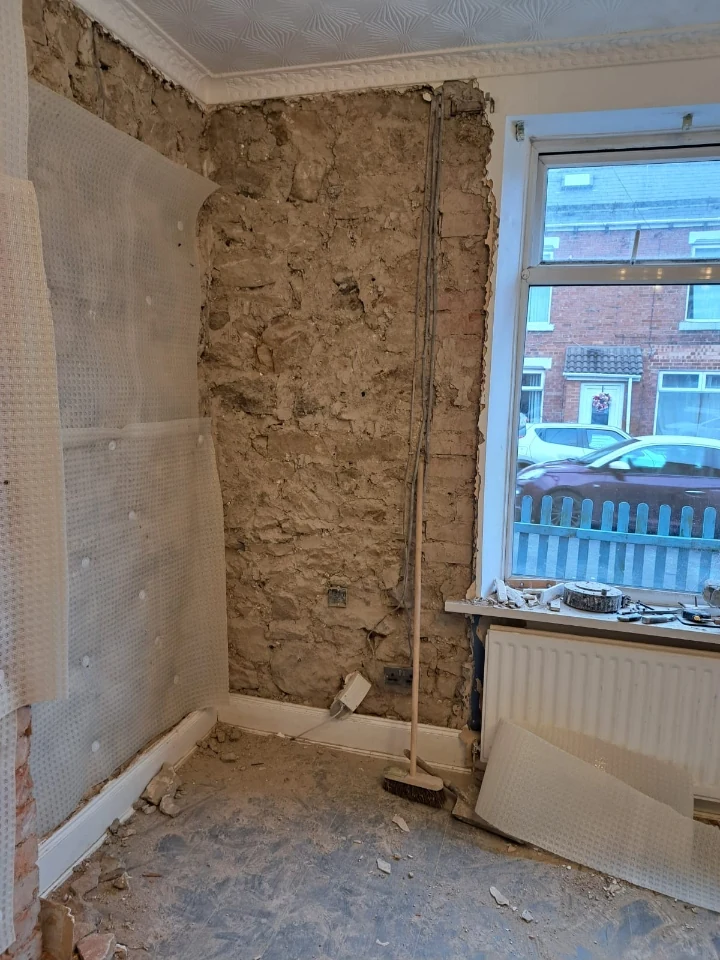
Rising damp treatment in progress on a Newcastle property.
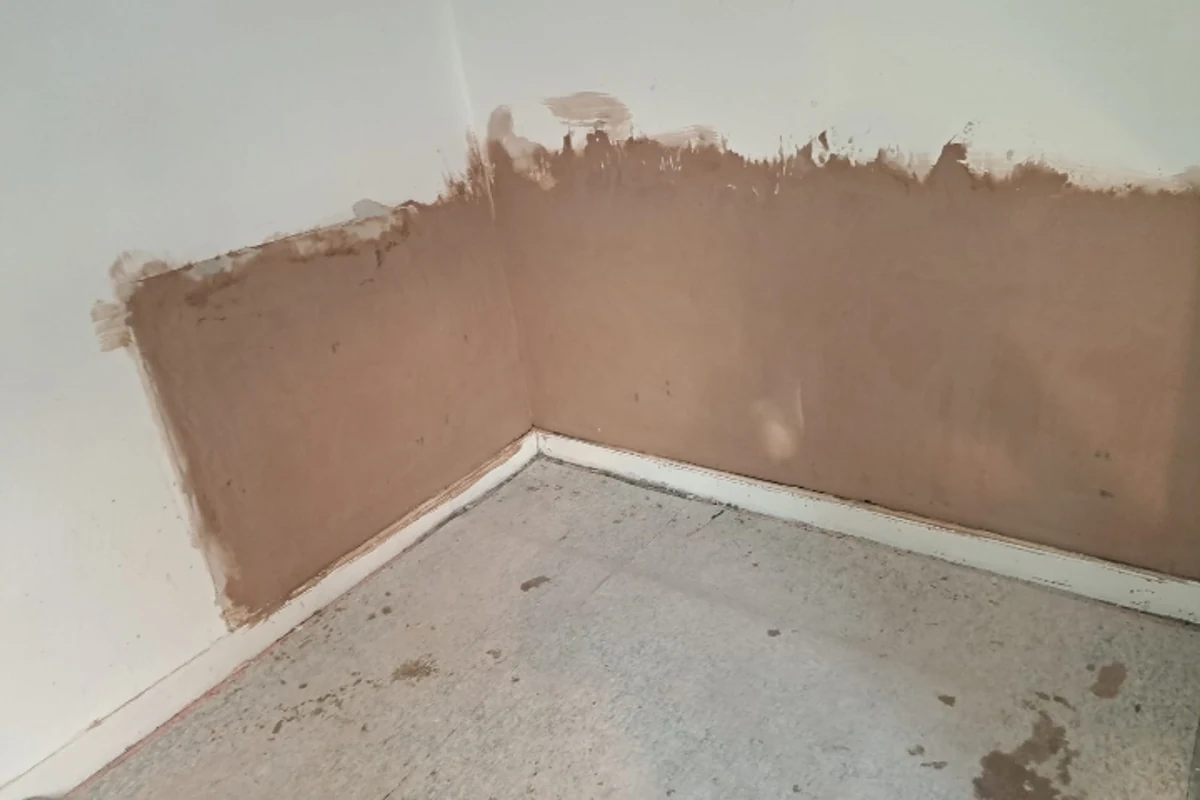
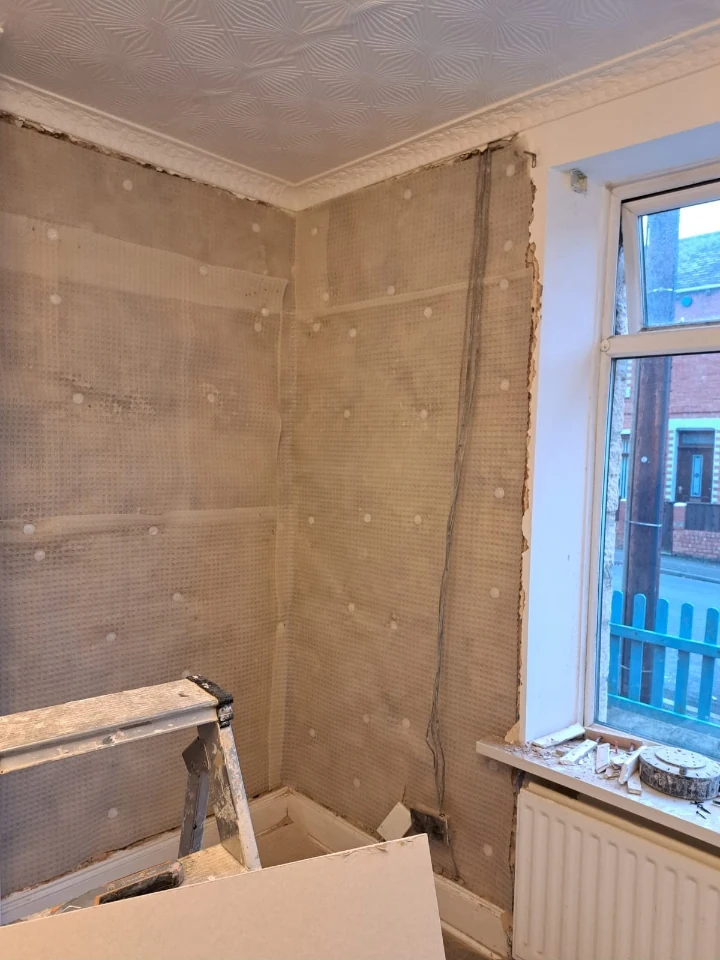
Replastering in progress after DPC injection in Newcastle.
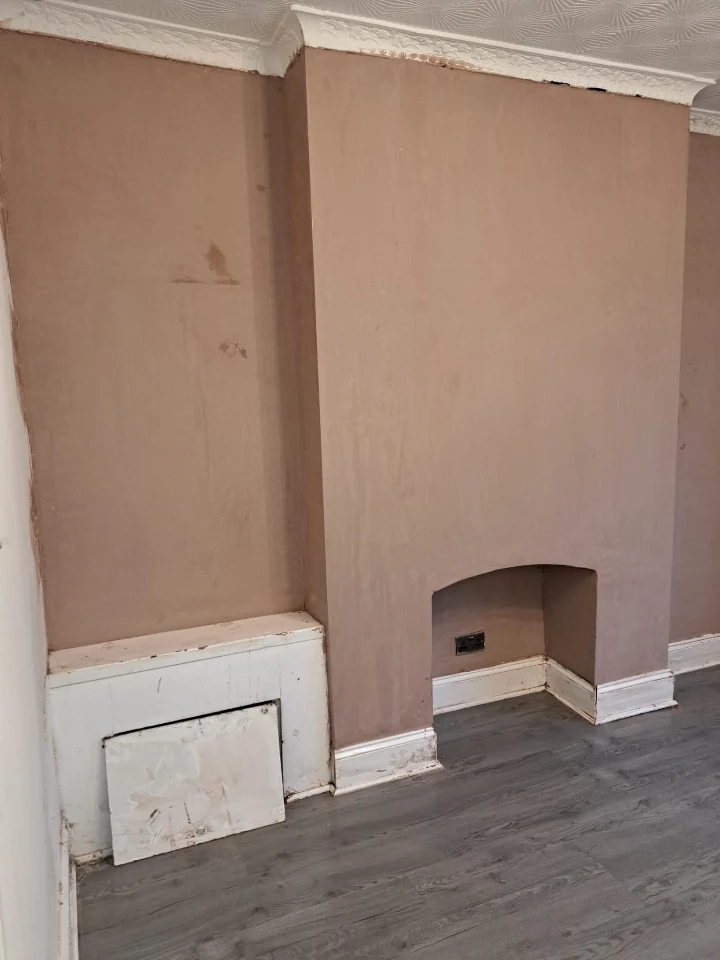
Chimney breast replastered with salt-resistant materials after treatment.
Most Damp Is Not Rising Damp. We Check Before We Recommend.
Much of what looks like rising damp turns out to be condensation or water entering through a failed external detail. Every survey produces a written report, whatever the finding.
Moisture profiling at several heights
Genuine rising damp shows a clear moisture gradient. Readings are high at the base and fall as the measurement rises up the wall. Condensation does not follow that pattern.
If we find condensation, we say so. If the answer is a blocked airbrick or raised ground level, we report that too.
External envelope inspection
Raised ground levels, bridging render, blocked airbricks and failed drainage are among the most common triggers for apparent rising damp. We check all of these before reaching any conclusion.
Assessment of the existing damp proof course
We check whether a DPC is present, its apparent condition, and whether any external factor is bypassing it.
We aim to be in touch the same day. Your name, phone and postcode are all we need to confirm we cover your area.
Get your free damp survey
A clear written report and honest advice, with no sales pressure.
What Rising Damp Does to a Building Over Time
Rising damp is slow-moving. That is part of why it goes unnoticed for years.
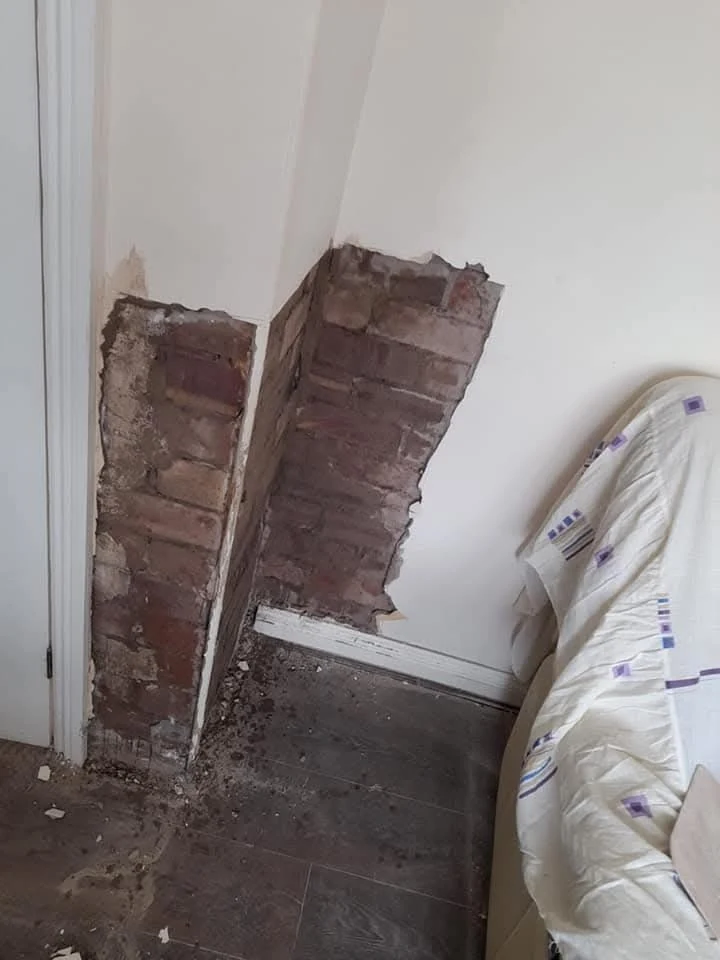
Mortar and masonry weaken over time
Persistent ground moisture saturating the base of a wall weakens mortar over time. Masonry becomes friable.
Timber in contact with wet masonry is at risk
Timber in contact with wet masonry absorbs that moisture. Skirting boards, floor joists and wall plates are particularly at risk. Once timber reaches sustained moisture levels, conditions for fungal decay become possible.
Timber decay in structural members is not a cheap problem. Early-stage rot can often be cut out.
Early treatment costs far less than structural repair
The longer rising damp is left active, the wider the affected area becomes. Structural timber repairs cost significantly more than early damp treatment.
Addressing rising damp when it is still localised is less disruptive. Dealing with it after structural timber is involved is a different proposition entirely.
How We Treat Confirmed Rising Damp
Where our survey confirms rising damp is the cause, chemical damp proof course injection is the standard approach. We drill the masonry at low level and inject a water-repellent product that bonds with the masonry.
A zone that resists upward moisture movement
This creates a zone that resists upward moisture movement. It reinforces or replaces the original damp proof course, which may be absent, cracked or bridged.
Affected plaster is removed
After injection, the affected plaster is removed. Salt contamination builds up in plaster over time.
If new plaster goes over contaminated plaster, those salts migrate through and cause it to fail.
Replastered using salt-resistant materials
We replaster using a salt-resistant mix designed for this type of work.
Drying time before final decoration
Walls need to dry after replastering before final decoration can go ahead. Our damp survey page explains what is included in a full written moisture survey report.
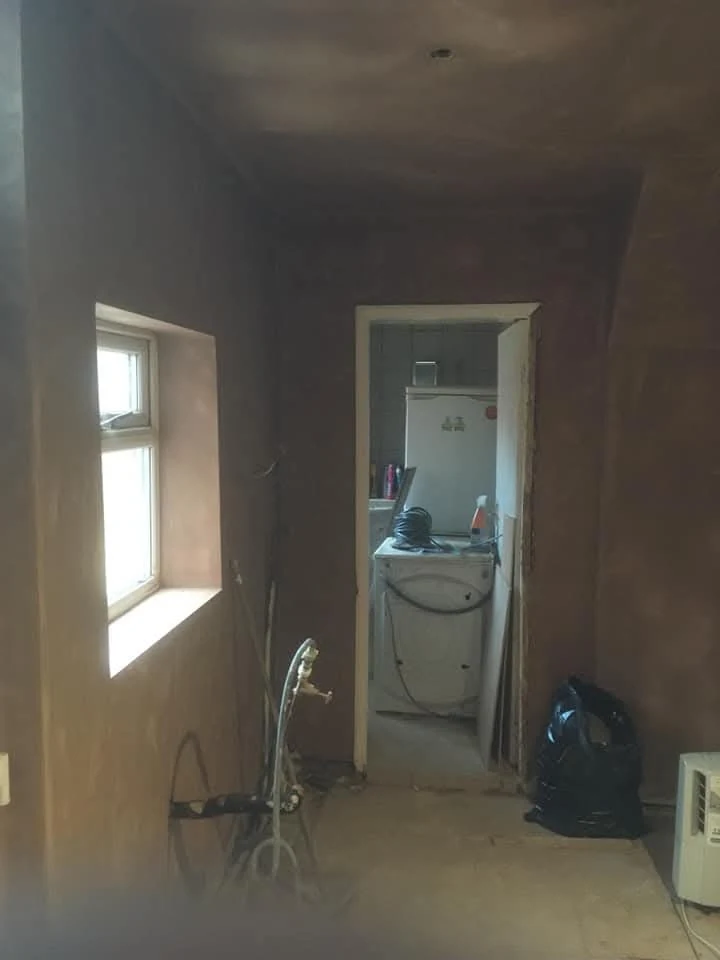
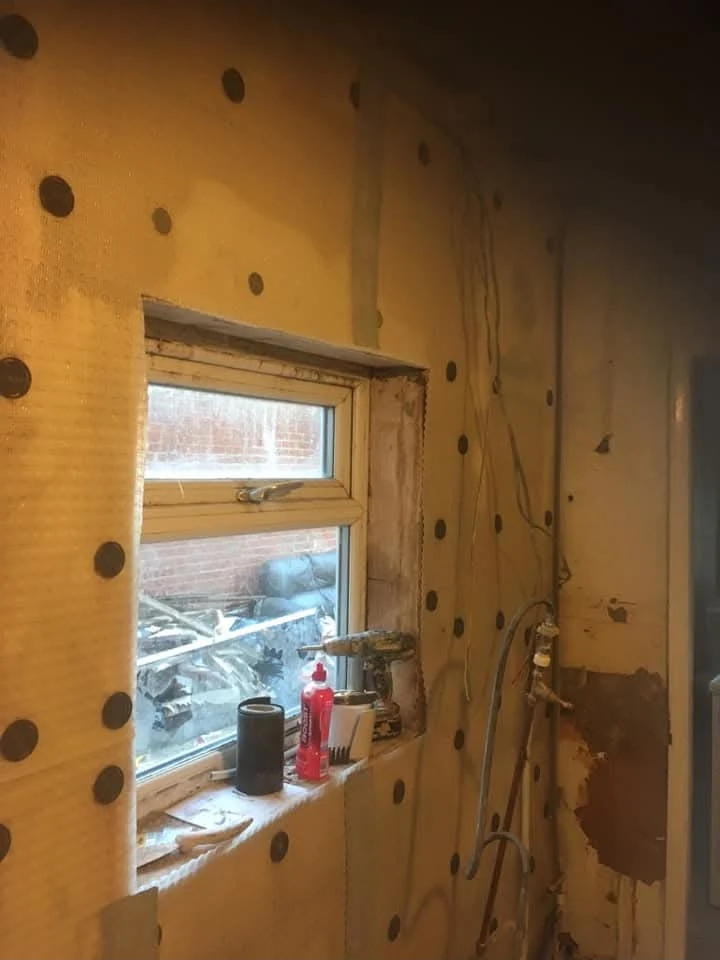
We tell you the expected drying period at the quotation stage.
Not sure what is causing your damp?
Book your free damp survey. We aim to call you back the same day.
“Rising Damp Is a Myth”: The Honest Position
This claim has been made publicly by building surveyors and repeated in the press. It deserves a direct answer.
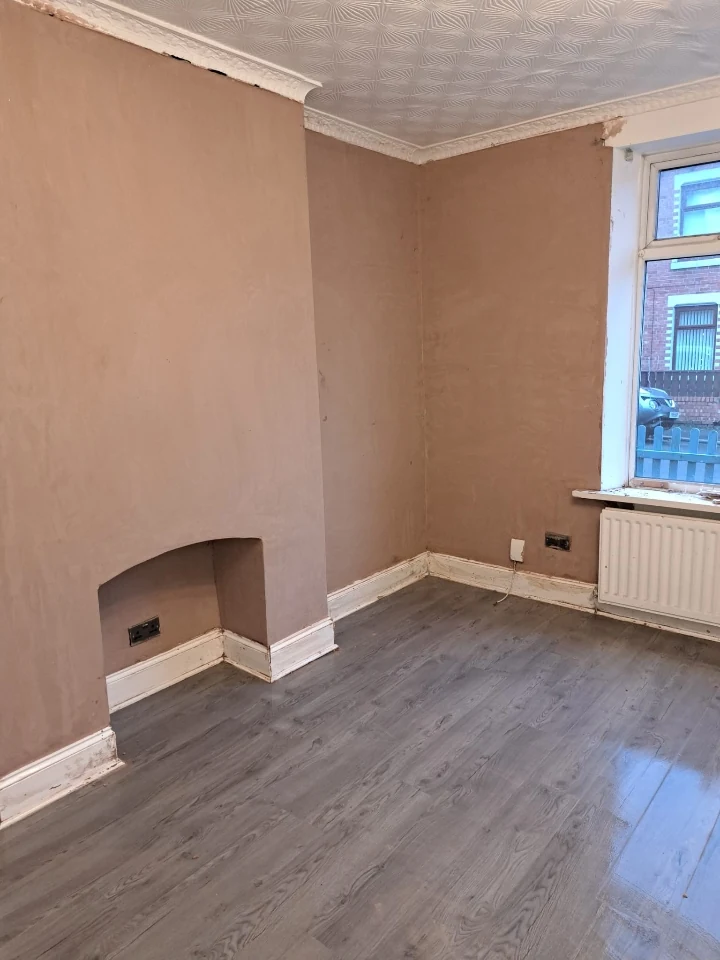
Rising damp is real
It occurs when the damp proof course fails or is absent. Ground moisture travels upward through masonry by capillary action. The tell-tale moisture gradient, high at the base and lower higher up, is measurable and treatable.
It is also overdiagnosed. Many cases labelled as rising damp turn out to be condensation or penetrating damp from a failed external detail.
Salt staining is frequently misread
Salt staining from a previously treated wall can look identical to active rising damp to the untrained eye. A surveyor with a financial stake in selling treatment has an incentive to call everything rising damp.
Our written-report mechanics work against overdiagnosis
You leave with an all-clear in writing if nothing is wrong. Read more about the full range of damp types on our types of damp page.
We use moisture profiling at several heights, plus external inspection, before reaching any conclusion.
Will the Treatment Hold?
Treatment holds when the diagnosis is correct.
Chemical injection works reliably when correctly applied
Chemical DPC injection, correctly placed in sound masonry, works reliably. The failure cases we encounter most often involve treatment applied to the wrong problem.
Common failure: wrong cause diagnosed
If the real cause was bridging at ground level, injection without removing the bridge will not work. If the cause was penetrating moisture through the external wall, DPC injection does not address it.
Our inspection checks for contributing factors
Our external inspection checks for bridging and penetrating moisture as part of every survey. Where these factors are contributing, we flag them in the report.
Our damp proofing page covers how we approach complex or mixed-cause cases.
Book your free survey and we aim to call you back the same day.
Rising Damp Treatment FAQs
Get My Free Quote
Fill in the form below for a free quote: